Discover the hidden shockwaves of the longest US government shutdown in history—how can markets soar amid chaos and economic strife? Uncover the surprising twists in investor sentiment and stock market volatility that are rewriting 2025’s financial rulebook. Are you ready for the next market twist? Read on.
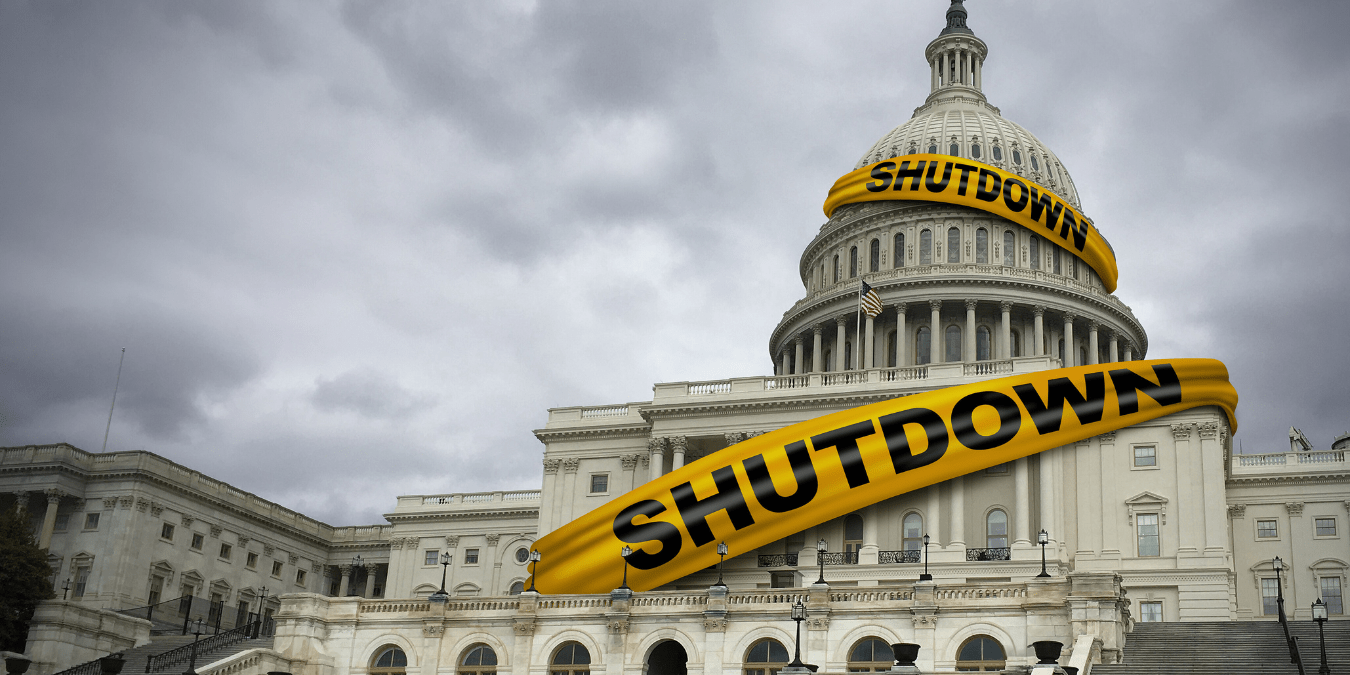
What makes 2025’s government shutdown so unique is not just its historic duration and cost, but how it reshapes investor psychology — leaving many asking: Why are markets still reaching record highs amid rising consumer pessimism and economic pain? This strange contradiction unfolds as key government data halts, and uncertainty mounts, leaving investors to navigate without their usual roadmaps.
Effects of Shutdown on Stock Market Volatility in 2025
The 2025 US government shutdown has contributed to an unusual pattern of stock market volatility characterized by sharp swings driven by political uncertainty, delayed economic data, and shifting investor risk appetite. While overall market indices have shown resilience, key themes of increased short-term volatility and sector rotation have emerged amid hopes for a resolution.
Volatility Spike in Early Shutdown Stages
- Historical and 2025 data indicate that stock market volatility typically peaks during the initial days of a government shutdown, as algorithmic and momentum-driven trading amplify reactions to uncertainty.
- This early volatility stems from investors reacting to unknown economic fallout, company earnings forecasts, and risk to government contracts, driving sharp selloffs in government-dependent sectors like defense contractors and aerospace.
- The US dollar also faced weakening pressure in forex markets as political turmoil undermined confidence in US governance, adding to cross-asset volatility.
Volatility Moderation and Market Resilience
- Despite the growing duration of the shutdown, key US stock indices such as the S&P 500, Dow Jones, and Nasdaq showed notable resilience, often rebounding sharply on any positive political signals toward ending the shutdown.
- Recent Senate progress on a spending bill to end the shutdown sparked strong rallies led by tech stocks and AI-related sectors, which have generally been growth drivers in 2025.
- Defensive sectors including healthcare and consumer staples attracted rotation as investors sought relative safety amid shutdown uncertainty.
Drivers Behind Volatility Patterns
- The suspension of key economic data releases created a “flying blind” environment for investors, intensifying short-term volatility as markets lacked critical information for fundamentals-driven trading.
- Political brinkmanship and unclear resolution timelines caused risk sentiment fluctuations where investor optimism about a deal triggered sharp rallies, while stalled negotiations or fresh political hurdles induced swift pullbacks.
- Large Treasury issuance and reduced foreign demand for US assets contributed to liquidity strains, exacerbating volatility in money and bond markets alongside equities.
What Investors Experienced in 2025 Shutdown Volatility
- Traders saw amplified price swings, especially in stocks with high government exposure, where shutdown-related payment delays and project interruptions created fundamental uncertainties.
- Market participants increasingly used tactical positioning and risk management to capitalize on volatility peaks during shutdown news cycles, treating early shutdown days as short-term opportunities rather than long-term threats.
- Optimism-driven rallies typically accompanied new shutdown resolution prospects, often led by AI and technology stocks, reflecting a strong belief in the underlying growth narrative despite political dysfunction.
Economic Toll and Investor Impacts
- The shutdown, which has surpassed 40 days, is costing the US economy an estimated $7 billion to $16 billion per week, causing a cumulative drag on GDP growth estimated between 1 to 2 percentage points in Q4 2025 alone.
- Government workers’ paychecks are delayed for over 1.4 million federal employees, while crucial social programs such as food stamp benefits have been disrupted, deepening public hardship and shaking consumer confidence.
- The Congressional Budget Office warns of lasting damage with $7-14 billion in permanent economic loss despite some recovery after the shutdown ends.
- The labor market is softer due to shutdown-related uncertainty with companies delaying hiring and investment decisions, further impacting future growth prospects.
Investor Sentiment: The Paradox of Fear and Confidence
- Consumer sentiment has plummeted to near-record lows, with surveys showing pessimism about the economic outlook spanning demographic and political lines, though stock-market-savvy investors report a surprising increase in confidence coinciding with market highs.
- Investors are grappling with a “flying blind” scenario as the shutdown suspends the release of vital economic data on inflation, jobs, and spending, complicating risk assessment and Fed policy projections.
- Despite this, markets have shown resilience; equities have often rebounded quickly after shutdowns historically, and recent rallies followed signs of bipartisan progress to end the impasse, illustrating investors’ hope for a swift resolution and return to normalcy.
Hidden and Little-Known Effects on Investment and Policy
- Economic uncertainty during the shutdown has intensified geopolitical risks and compounded external shocks like a looming East Coast hurricane, making investor risk calculations more complex than usual.
- The shutdown’s length magnifies secondary consequences—delays in government contracts and layoffs, causing ripple effects beyond immediate federal costs into private sector spending and investor confidence.
- Some defensive sectors (healthcare, utilities, consumer staples) have gained investor rotation as safe havens during volatility, highlighting strategic shifts in portfolio management under shutdown stress.
Emotional Triggers Behind Investor Behaviour
- Aspiration and urgency drive aggressive stock market moves as investors seek short-term gains amid uncertainty while anticipating reopening.
- Relief surges with each political development hinting at shutdown resolution, fueling rallies.
- Fear and anxiety deepen from prolonged economic hardship, delayed wages, and unknown policy impacts, pressing investors to hedge and reposition assets more cautiously.
Actionable Insights for Navigating Shutdown Volatility
- Investors should monitor political developments closely for timing market entry or exit moves around shutdown milestones.
- Diversifying into defensive sectors and less government-dependent stocks can reduce vulnerability to shutdown-related swings.
- Alternative data sources and private economic indicators can compensate for gaps caused by halted government reports.
- Employing tactical risk management strategies during early shutdown phases can harness volatility rather than surrender to it.
Key Takeaways and What Investors Can Do Now
- Stay informed on bipartisan developments to anticipate market inflection points amid shutdown news cycles.
- Diversify portfolios to include defensive and resilient sectors protected from government spending cuts.
- Monitor alternative data and private indicators compensating for missing government economic reports.
- Consider tactical pauses on new investments to avoid exposure to heightened volatility or blind spots in data.
- Prepare for potential rebounds but hedge against extended uncertainty or geopolitical shocks linked to shutdown fallout.
The Road Ahead: Why This Shutdown Could Set a New Norm for Investor Psychology
As this unprecedented shutdown continues, its shockwaves may alter investor behaviour and market protocols for years. With delayed data, political brinkmanship, and heightened economic vulnerability intersecting, investors face a future where uncertainty is the default state rather than the exception. The eventual resolution’s timing and terms could redefine trust in government stability and reshape risk premium assessments long term — a development no investor can afford to miss in 2025 and beyond.
This evolving saga invites investors to look beyond immediate figures and consider how government dysfunction rewires market sentiment psychology, economic signals, and policy frameworks in surprisingly lasting ways. The US economy’s largest stakeholders are witnessing a seismic shift in how political crises translate into financial realities — a shift ripe with lessons and risks for the coming decade.